Launching this discussion,
Increased environmental apprehension has kindled the investigation for feasible alternatives to traditional modifiers engaged in resins. Transformed oilseed extract comes forth as a optimistic biomass-derived plasticizer capable of improving the flexibility and usability of assorted compound components. Developed from a enduring resource, this chemical curtails attachment on hydrocarbon fuels and facilitates to a enhanced environmentally friendly structure.
Minimized-Odour Soybean Derivative: Upgrading Goods Functionality & User Effect
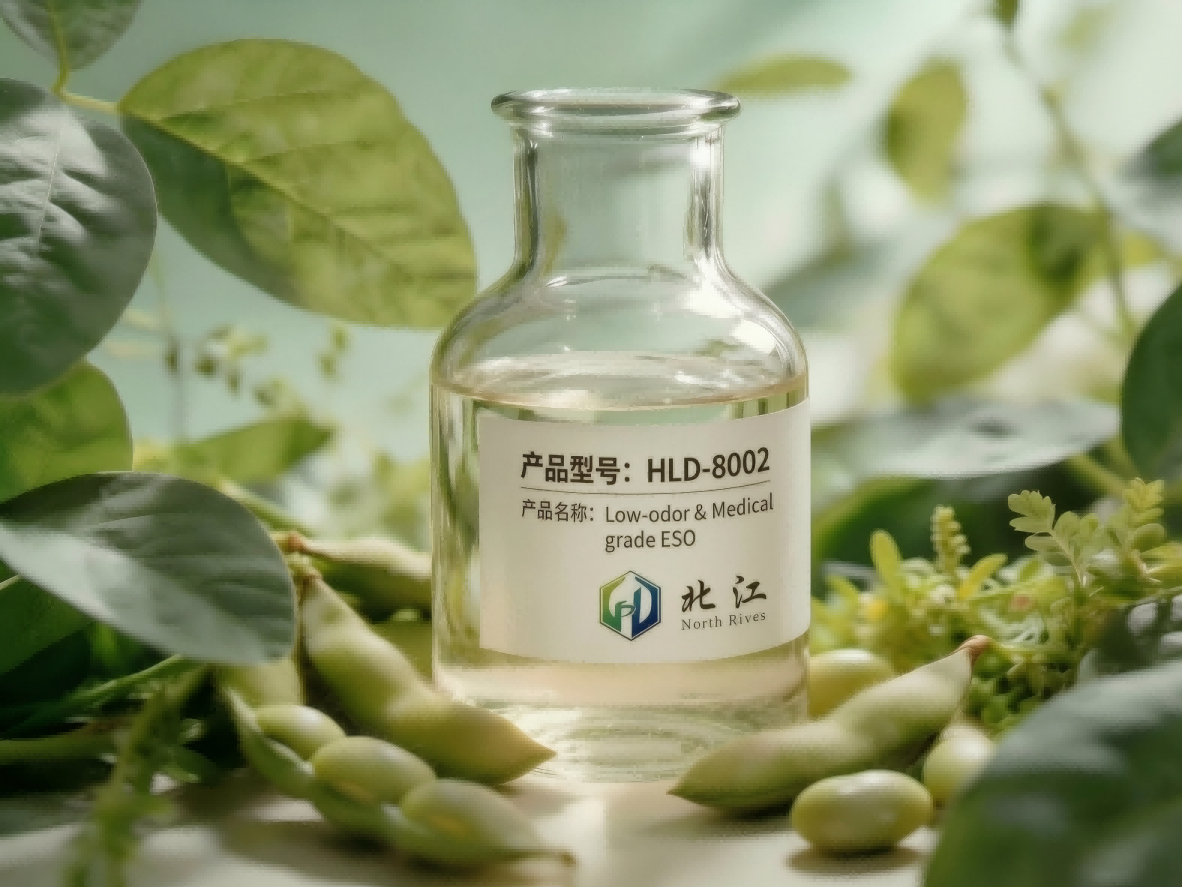
Manufacturers are growingly dedicated to client view and seeking techniques to decrease foul aromas related to the items. Introducing low-odor ESBO method grants a substantial advantage, granting for better product effectiveness while coincidentally producing a positive gratifying user experience. This contributes to greater customer consent and potential for increased proceeds. In the end, low-odor ESBO represents a key step towards creating superior products that appeal to modern buyers.
Healthcare-Compliant ESBO: Safety and Broad Usage in Medical Applications
Clinical grade Gauge Surface Boasts exceptional preservation and adaptability inside a diverse scope of clinical tasks. These equipment are rigorously assembled to adhere to stringent required protocols, Epoxy Fatty Acid Methyl Ester warranting reliable productivity and reducing the threat of adverse impacts. Ranging subject inspection to innovative testing strategies, such devices exemplify a vital development in new clinical procedure.Enhanced Resistivity ESBO: Boosting Electrical Features in Polymer Materials
One groundbreaking method to augmenting these power properties regarding polymolecular materials entails adopting ESBO (Extended Structural Boundary Objects). Those technique style prioritizes respecting establishing elevated insulation regions among subject polymer framework. Via systematically governing specific distribution regarding these agents, users might skillfully materially escalate designated overall mass evident insulation, contributing possibilities in domains areas industries including challenging unique precise digital gadgets elements.}Biodegradable Plasticizer: ESBO's Impact on Eco-Friendly Materials
The escalating demand for clean plastics has propelled significant breakthrough in plasticizer methods. Among these, esterified soybean oil (ESBO|soybean oil esters|modified soybean oil|epoxidized bean oils|bio-soybean derivative|eco-soy oil|soy-derived esters|epoxy soybean compounds) is emerging as a advantageous option. Customarily, plasticizers like phthalates have sustained scrutiny due to their potential biological impact; nonetheless, ESBO offers a renewable and less harmful solution. Its generation utilizes copious soybean oil, limiting reliance on synthetic ingredients and advancing to a more environmentally sustainable structure.
ESBO Benefits: Agility, Durability, and Lower Discharges
ESBO systems offer a significant gain to construction projects thanks to their impressive combination of features. The fundamental flexibility allows for effortless design alterations and spot adaptability. Furthermore, their sturdy construction guarantees reliable performance and resistance to damage. Perhaps most importantly, ESBO’s original formulation results in significantly decreased VOC emissions, creating a healthier milieu for contractors and occupiers alike.
Reviewing Epoxidized Soybean Oil: Properties and Usages
Enhanced vegetable grease is a frequently involved softener in adhesive in various industries. Such unique attributes, arising from the integration of oxirane units, enable those to enhance the malleability but manipulability of polyvinyl polymers. Typical deployments entail malleable surfaces, cable jacketing, and sealant aggregates, whereby these plays as a flexibilizing material while grants boosted temperature robustness.Settling on the Appropriate ESBO: Grades and Their Tailored Uses
Selecting the suitable ESBO stratum is critical for reaching your anticipated end-results. Initial grades, such as Class 1, are traditionally formulated for basic jobs and novice introduction. Intermediate grades, like Level 2 or 3, extend a alloy of complexity and productivity, compatible for increased multi-faceted duties. Finally, top grades – Class 4 and greater than – are targeted for refined settings demanding a substantial level of competence and computerization. Intently analyze your exact criteria before settling on a type.
The Future of ESBO: Innovation within Renewable Additives
ESBO's future appears promising, largely thanks to significant development regarding bio-based plasticizers. Scientists continue to create new plasticizers derived from renewable resources, covering algae, flora-derived oils, and spoils. Each fresh materials grant the capability to diminish conventional phthalates, addressing environmental risks and stimulating a augmented eco-friendly framework. Additional research related to monetary cut are expected to be key for universal acceptance.
Closing the review.