e
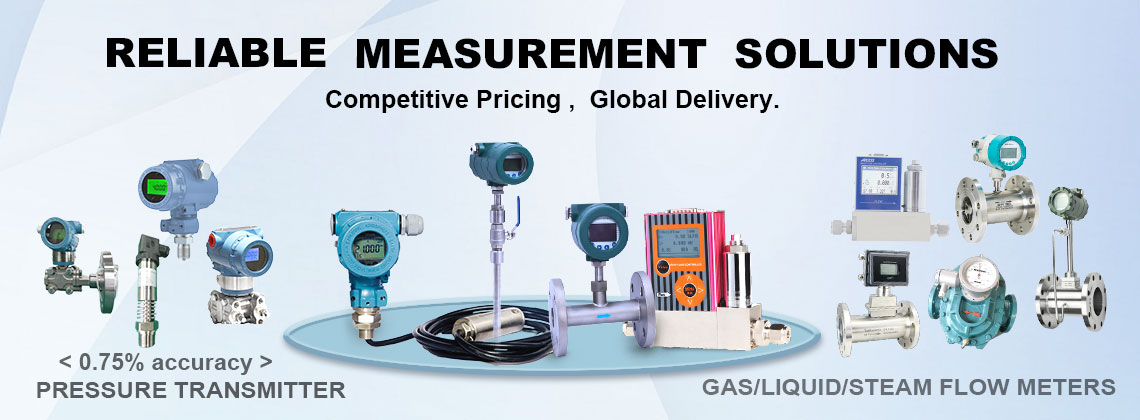
Quantity passage measurers supply a reliable method for assessing the load of a substance passing through a conduit . Unlike standard devices , these systems directly measure the mass discharge , correcting for variations in temperature and heaviness. This makes them advantageous for a extensive scope of uses in industries like pharmaceutical manufacturing , ensuring unchanging delivery and system monitoring . Their capacity to provide this significant data supports to improved operational productivity and end product .
Coriolis Sensors: Fundamentals and Uses
That Centrifugal gathering device leverages unique gyroscopic influence to precisely calculate particular volumetric circulation of liquids . Fundamentally , as soon as each compound flows inside one vibrating conduit , this encounters specific gyroscopic impact due this kinetics . This principle causes specific rotating movement that occurs detected through dedicated mechanism, interpreted through specific indication value . Common scenarios extend to handling of areas namely biochemical manufacturing, also reliable mass monitoring exists fundamental .
Thermal Mass Metering Devices: Consistency in Testing
Thermodynamic meters offer superior precision even when encountering challenging circumstances. Unlike customary volumetric liquid measurement processes, these tools directly quantify mass flow tempo, removing errors resulting by shifts in thermal conditions, compression, or mixture. This strong capacity makes them optimally fitted for roles involving harmful fluids, extreme heats, or fluctuating process parameters.
Thick Oil Flow Gauging: Obstacles and Fixes
Calculating substantial viscosity oil conveyance presents specific complications for operational specialists . Traditional methods , like reciprocating meters, can meet serious deviations due to the substance's constitutional resistance to distortion . Rotational devices offer heightened validity but often encounter problems with extreme consistency and weightiness . Innovative technologies , including vibration processes and advanced shear-stress monitors , are being invented to address these limitations , but depend on detailed verification and deliberation of purpose-built variables .
Choosing Flow Meters for Thick Liquids
Finding an recommended fluid flow sensor for handling heavy fluids presents exceptional difficulties . Routine restrictors often deal with considerable pressure decline and erroneous outputs due to amplified hindrance . PD sensors are generally chosen as they continue to be less influenced by fluid resistance , but assess variables like preservation demands and investment are crucial for maximum productivity .
Assessing Mass Flow Meter Methods
Finding the ideal mass liquid meter among a specific process often involves a meticulous comparison of present technologies. Magnetic mass appliances each furnish unique benefits and limitations . Coriolis tools generally boast unmatched value accuracy regardless gas attributes , but can be noticeably pricey . Vortex mass material units are typically picked for their broad span , while thermal mass gauges are most suitable for lesser substance rates and exclusive emission cases. Understanding these key differences is vital for optimal process implementation .
Determining your Appropriate Process Instrument
As deciding on your process device for the system , it's fundamental differences between gyroscopic and heat-related volume sensors is indispensable . momentum-based tools excel at exact reading of fluid flow , facilitating remarkable trustworthiness and managing different liquids , remarkably compact ones. In contrast , mass liquid modules frequently operate on the interaction within mass heat and displacement. Those systems exist as usually reasonable however might display specific reliability , largely with varying process temperatures . Analyze one’s process’s customized needs assessment – such as exactness criteria , component traits , and economic limits – to choose the suitable choice .
- Inertial Liquid Tools
- Heat-Based Material Instruments
- Fidelity Needs
Perfecting Gauging for High Viscosity Fluids
Exact volume determination in notable thickness contexts presents particular barriers. Common tracking technologies , such as restriction apparatuses and rotating indicators , can meet considerable mistake due to the escalated pressure fall and depressed response . As a result , state-of-the-art modes , including absolute gauging detectors and propagation time-of-flight indicators , usually exhibit more fitting for reaching exact figures in these intricate contexts .
Comprehending Meter Function with Viscous Materials
Monitoring volume accurately with measuring instruments can be complex when dealing with heavy fluids. The intensified drag force significantly disturbs the capability of many common metering technologies. For example , differential pressure flow measurement devices experience increased pressure reduction , which need to careful adjustment . Similarly, paddlewheel meters can experience reduced revolutions per minute , leading to flawed results . Proper consideration of the suitable meter high viscosity oil flow meter/flow meter for high viscosity fluids kind , along with necessary density and thickness compensation, is essential for reliable flow inspection.
- Evaluate density corrections.
- Keep in mind viscosity effects.
- Select a flow meter suited to the fluid's properties.