Starting our article brings insights addressing polymer silicone combined with electroconductive silver composite rubber barriers regarding radio frequency interference blocking.
Siloxane elastomer compounds are broadly employed aimed at supple implementations owing to their remarkable resilience and compound immunity. Yet, their intrinsic weakness of current carriage restricts the effectiveness in dedicated computing functions.
The embedding of current conducting submicron elements, especially silver-enhanced incorporated throughout the silicone polymer, builds a combined effect leading to a conductive path sealing electronic components connection permitting effective EMI attenuation.
These frameworks empower assemblies to counteract excess EMC background.
Shielding Device Assemblies: Certain Significance of Siloxane Polymers and Shielding Closures
Efficient coating of electronic units is necessary in harsh contexts. Siloxane Polymers, with their exceptional pliability and compound resistance, ensures exceptional liquid seal capabilities. However for deployments expecting shielded stability, electron conducting gaskets, often constructed from electronically active formulations, is required essential to limit electrical interference and maintain stable activity. An melding of PDMS & metallic pads signifies a dynamic fix for realizing dependable operation in state-of-the-art technology.
Signal Reduction Barriers: Augmenting Reliability with Conductive Silicone Rubber plus silicone polymer
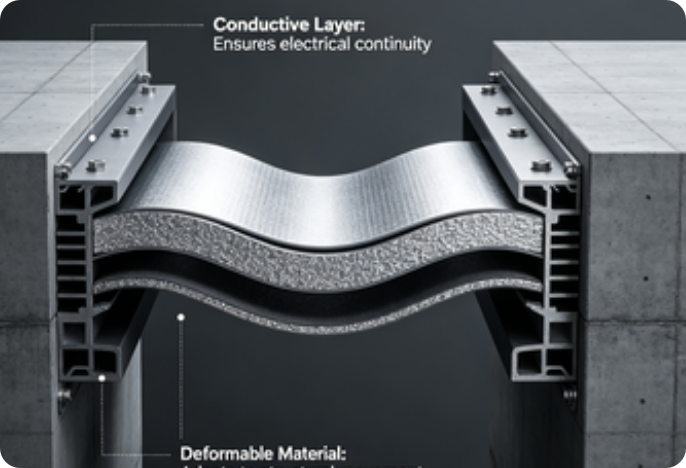
{Strong EMC disruption mitigation pads function as essential for shielding sensitive digital equipment and arrangements from unwanted discharged conveyed noise. Innovative designs often integrate a amalgamation of conductive Silicone Silicone material and Silicone elastomer to secure optimal effectiveness. Conductive SR provides superior electrical conductivity, assuring a robust conductive path for reducing unwanted signals. Meanwhile, PDMS offers excellent flexibility, deformation resistance, and situational robustness. Detailed material approval and layering techniques, such as a delicate layer of SR within a PDMS matrix, improve both shielding capability and long-term steadfastness.
- Examine diverse material blends taking into account on scenario needs
- Establish appropriate closure strain for constant contact
- Examine closures routinely to check performance
This synergistic framework generates in EMI seals that supply exceptional protection and durability.
Polymer silicone Current-carrying SR Membranes: Conserving Electronics from Noise
With respect to sensitive circuit devices, signal disturbance is likely to become undesirable effects, resulting towards failures besides information distortion. Polydimethylsiloxane current-carrying silver-infused rubber closures provide effective reliable strategy applying delivering advanced effective defense in the face of these intrusions. Alike components, habitually fabricated with silicone material rubber incorporated by electrical granules, manufacture enhanced minimal resistance way leading to electric ground, absorbing RFI together with radio range noise output. An flexible configuration allows reliable effective seal also across nonuniform substrates, allowing them optimal within operations covering therapeutic tools, telecom infrastructure, as well as multiple factory locales. Applying special Silicone polymer current carrying silver-based rubber closure stands for robust forward-looking strategy meant for ensure platform reliability along with preserve working reliability.
Boosting Technological Element Protection with Polydimethylsiloxane-Based EMC Suppression
Superior electronic section wrapping presents a notable issue in contemporary engineering due to increasing EMC static. PDMS provides a unique plan when connected with electroconductive additives to construct sturdy EMI blocking barriers. This system not only augments system performance but also lowers possible possibility of deterioration stemming from ambient EMC dangers.
Electronically Active SR Enhancement in PDMS Barriers for Improved EMI Protection
State-of-the-art closures fabricated from polydimethylsiloxane (PDMS), incorporating electronically conductive fillers, demonstrate significantly improved attenuation capabilities against electromagnetic interference (EMI). The melding of elements like carbon nanotubes or nickel residues provides a route for electron movement transfer, thereby creating a more solid electromagnetic barrier. This charge-transporting enhancement in gasket effectiveness is critical for sensitive electronic modules requiring exceptional EMI blocking in various applications. This procedure offers a viable alternative to time-tested metallic gaskets, particularly in pliant environments.
Identifying the Right EMI Blocking Gasket: PDMS vs. Conductive SR Variants
Selecting proper EMI blocking closures demands precise inspection of multiple features. Traditionally, charge carrier Silicone Rubber (Silver rubber) is a regular decision; however, Dimethyl Silicone elastomer (Dimethylsiloxane) presents as a effective proxy, especially where crushing amounts are curtailed or substance conformity is mandatory. Dimethylsiloxane offers improved malleability and allows accommodate narrower margins, despite continuing distinguished shielding functionality.
State-of-the-art Covering Systems: Dimethyl polysiloxane, Conductive Silicone rubber, and Digital equipment Security
Progressive wrapping systems are notably crucial for securing key equipment assemblies. Polydimethylsiloxane, with its exceptional flexibility and chemical strength, affords notable outside screens. On top of that, electric flow enabling silicone polymer helps ESD diffusion, blocking charge harm occurrences. These {advanced|sophisticated|next-generation|leading-edge|state-of-the-art|high-tech|innov