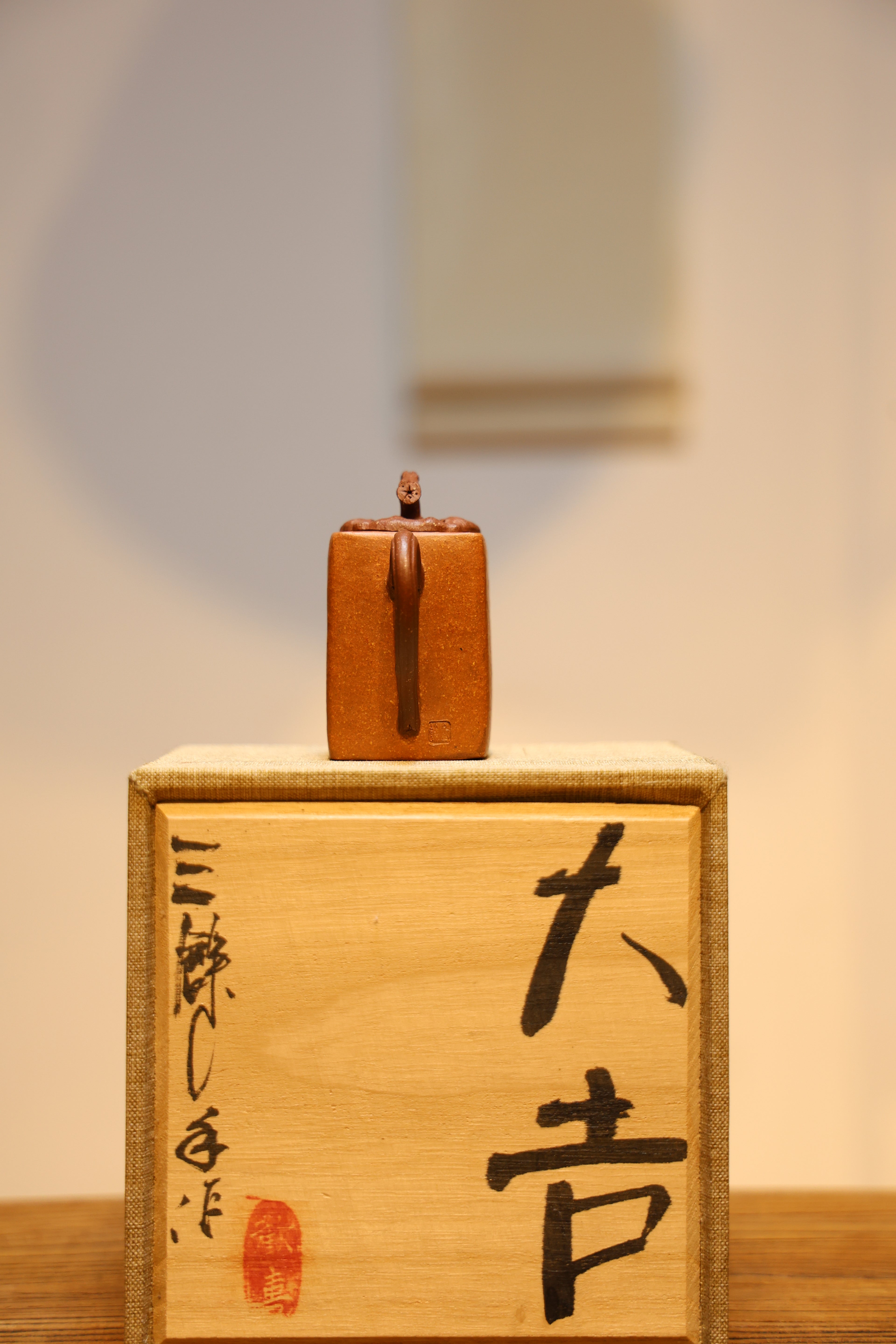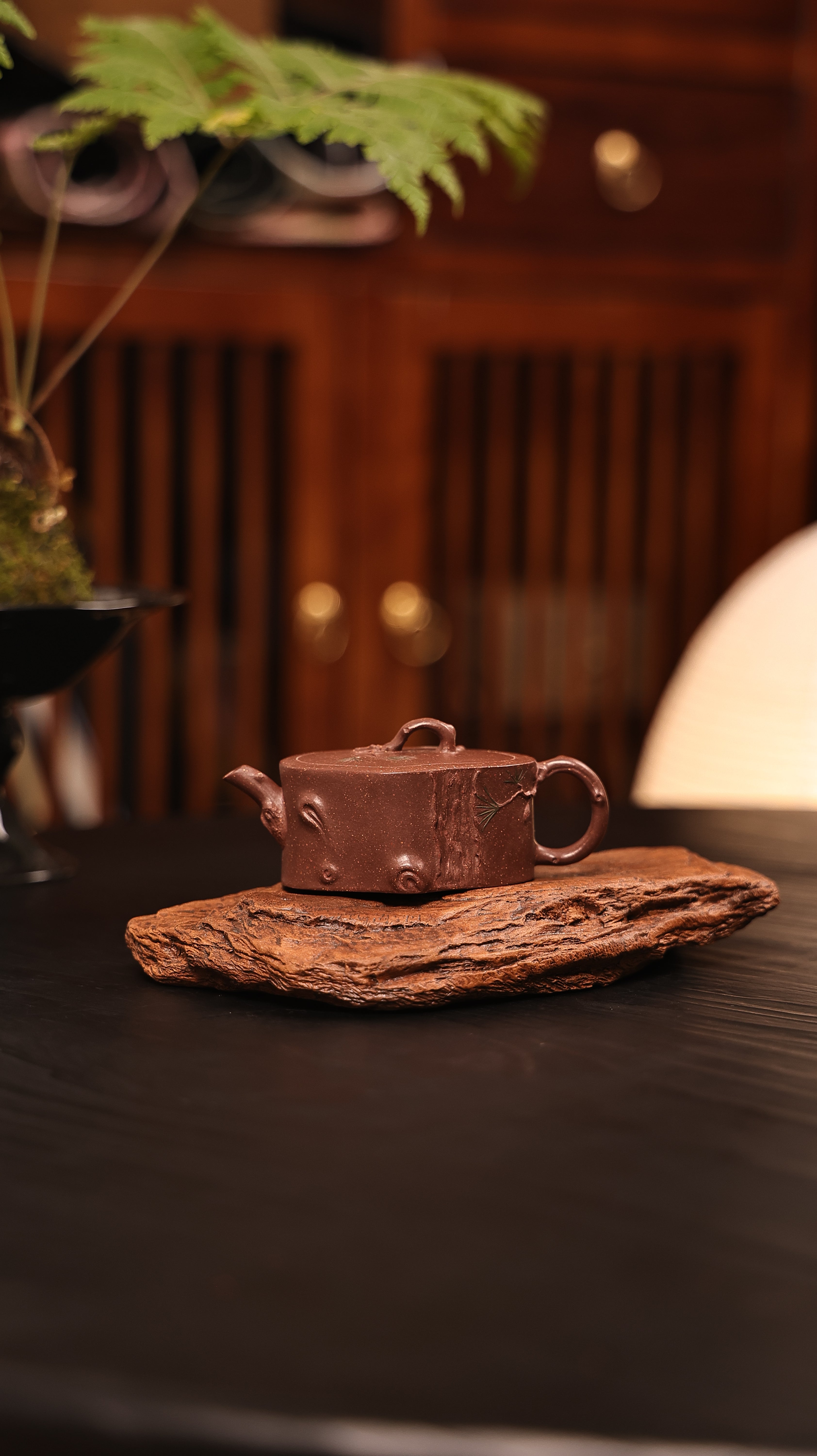
Within the sphere of enduring traditions,
Over centuries, devotees have been engaged by the distinctive charm of Yixing Zisha vessels. Originating from the area of Yixing in Jiangsu, these pieces are renowned for their exceptional beauty, limited clay, and innate ability to raise the bouquet of tea. The soil's distinctive purple-brown hue, combined with the talented handiwork of regional makers, creates items that are and functional creations and precious possessions. Owning a Zisha teapot is more than just the purchase; it's experiencing a rich cultural heritage.
Understanding Yixing Teapots: Saga, Models, and Cost
Famous Yixing teapots manifest a extensive history deeply intertwined with Chinese culture. Starting in the Yixing region of Jiangsu province, these clay vessels exhibit a heritage linking back to the Ming Dynasty. Preceding examples were functional, but amidst centuries, Yixing teapot manufacturing evolved into an esteemed art form. The clay itself, known for its unique character and ability to improve the flavor of the tea, continues a defining factor. Yixing teapots emerge in various types, broadly categorized by shape: Conventional such as Zhuni (purple clay) and Bisheng, as well as more designs. The importance of a Yixing teapot turns on several factors, including Yixing Teapot the potter’s renown, the age of the piece, the rarity of the clay, and its aesthetic quality.- Account: Old ages
- Earth: Bisheng
- Worth Components: Potter’s reputation
Zisha Claycraft: Approaches and Artists
That production of a original Zisha teapot is a challenging process, requiring years of competency. Experienced artisans meticulously select the premier Zisha clay, a rare earth found only in specific regions of China. Classic techniques, often conveyed through families, involve precise shaping, fine carving, and slow firing in ancient calcining chambers. The ultimate teapot isn't merely a object; it's a testament to imaginative vision and the substantial connection between the maker and their heritage. Each product showcases the individual touch of the creator, resulting in a truly one-of-a-kind work of expression.
Chinese Earthenware: Understanding the Abundant Inheritances of Yixing Area
Celebrated Yixing, positioned in Jiangsu the expanse, is widely renowned for its exceptional cookware – a tangible representation of centuries of Chinese art. These aren't merely vessels for making tea; they are intricate works of craft, often reflecting historical ideals. That unique purple clay, known as Zisha, possesses remarkable qualities: the substance dense, letting air through, and imparts a subtle taste to the tea.
- Countless bloodlines have honed the techniques of Yixing pot making, passing down ancient methods through epochs.
- Fans prize these pieces for their aesthetic and infrequency.
- Individual teapot tells a history, connecting the tea lover to a rich foundation.
Purchasing Yixing Zisha: Critical Aspects
Upon considering acquiring Yixing Zisha pots, diverse points involve careful attention. Initially, the soil's tint is paramount; authentic Zisha traditionally exhibits a distinct reddish-brown cast. In addition, scrutinize the workmanship; sharp characteristics and a silky layer show adept craft. Concluding, consider the artist’s reputation; renowned names command higher prices and often offer a valuable dividend.
Brewing Excellence with Zisha Teapots
Crafting tasty tea with a Zisha pot is more exceeding a simple ritual; it's an art. Zisha clay, recognized for its unique structural composition, imparts a soft character to the composed tea that’s often gone with other pots. The proper water temperature is key; typically, reduced than what's used for black tea, to save the tea's perfume and taste. Consider carefully the tea form; delicate green teas or aged pu-erhs prosper from the Zisha’s ability to tone down their basic edge. It’s necessary to rinse the teapot preceding brewing, and to eschew over-steeping. Mastering this practice leads to a truly exceptional tea instance.
- Learning Zisha Clay
- Warming Level & Variety of Tea
- The Importance of Pre-warming
Caring for Your Celebrated Pot
To preserve the durability of your prized Yixing ceramic pot, steady maintenance is fundamentally important. Forgo using chemical cleaners; instead, delicately bathe it with tepid hydrous medium. Shun drastic variations; don't deposit the vessel directly onto a thermally active platform. Periodically, develop the kettle by processing it with top-notch specialty beverage, as this promotes to increase its character and defends the exclusive traits of the dirt.
Concerning Dirt to Container: The Development of a Yixing Utensil
A creation of a Zisha teapot is a exceptional approach, a symbol to both the planet's bounty and the expertise of the craftsman. It inaugurates with the selective extraction of the exceptional clay from the crimson Zisha mines close to Yixing. This pure material, known for its exceptional attributes, is then methodically cleaned and shaped for the early forming. The bottle’s design is masterfully formed using a mix of classical sculpting methods, often incorporating complex motifs. Following aging, the vessel undergoes a essential first firing, accompanied by a varnishing stage, which might involve countless layers of pure Zisha coatings. Finally, a second, and sometimes third, firing at extreme temperatures finishes the product, revealing its finished beauty and exceptional characteristics - a genuine masterpiece, prepared to adorn a tea practice.
{Yixing Teapots: A Manifestation of a Customary Practice and Honoring
This Yixing teapots, originating from the celebrated Yixing region of Jiangsu province, are far more than mere pots for brewing brews; they represent a important aspect of Chinese traditions. Produced from distinctive purple clay – zisha – these uncommon teapots are highly valued for their ability to boost the flavor of the tea and, crucially, for their artistic merit. The tradition of Yixing teapot making spans centuries, and the know-how involved is passed down through generations, making each teapot a artistic creation that embodies ancient techniques and a profound appreciation for the understated pleasures in life.